

A Smarter Way to Structure the Deal: Creating a Win for Buyers and Sellers
Successful negotiations aren’t always about lowering the price. A seller-funded 2-1 temporary buydown can give buyers lower monthly payments during their first two years of homeownership, while helping sellers preserve more of their asking price. Available with many conventional, FHA, VA, and USDA programs, it’s a flexible way to structure an offer that works for both sides. Involve your lender early to explore the options.
In today’s real estate market, successful negotiations aren’t always about reducing the sales price. Buyers are often focused on one important number, their monthly payment meanwhile sellers have a specific amount they hope to net from the sale of their home. The opportunity lies in structuring an offer that addresses both priorities. One strategy worth considering is a seller-funded 2-1 temporary interest rate buydown, which can provide buyers with meaningful payment savings during their first two years of homeownership while helping sellers preserve more of their asking price.
Here’s how it works: With a 2-1 temporary buydown, the buyer’s principal and interest payment is calculated as if the rate were 2 percentage points below the note rate during the first year and as if the rate was 1 percentage point below it during the second year. Beginning in year three, the payment returns to the full amount based on the original note rate. This strategy can be particularly attractive to buyers who anticipate paying off other debt, expect their income to increase, or simply prefer additional flexibility in their monthly budget during those first two years. Buyers must qualify at the full note rate, and if they refinance during the buydown period, unused funds are handled according to the buydown agreement, often reducing the loan payoff.
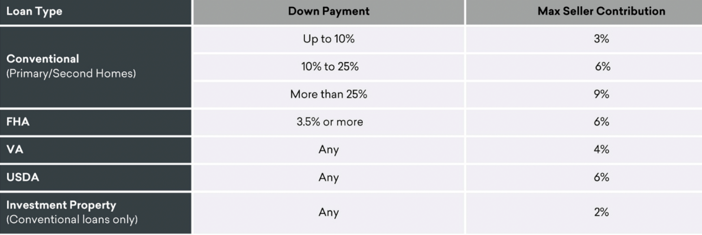
For sellers, a temporary buydown may offer an alternative approach to helping address a buyer’s desired initial monthly payment. In some cases, a seller contribution toward a temporary buydown may be less costly than a comparable purchase price reduction, though outcomes will vary based on loan terms and individual borrower circumstances. The result? Buyers gain temporary payment flexibility, while sellers have an opportunity to protect their net proceeds. Temporary buydowns are available with many conventional, FHA, VA, and USDA loan programs, as well as select specialty financing options, subject to program guidelines and seller-contribution limits. The key is involving the lender early to evaluate the options and structure an offer that works for both parties. Sometimes the smartest negotiation isn’t about changing the price. It’s about changing how the deal is structured.
Terms available are dependent on factors including credit profile, loan amount, loan-to-value ratio, property type, occupancy, income, assets and underwriting requirements. Figures are accurate as of publication date, but may change. Contract Newrez for more information.